
In complex facilities, utility costs are rarely driven by a single billing event. They typically result from billing, metering or operational factors that require specialized experience and very often onsite analysis. Problems can stem from the following:
• Unoptimized pricing (regulated and deregulated)
• Meter inaccuracies
• Billing setup issues
• Lack of strategic rate positioning for optimal price qualification
• Unrealized special contract or opportunities
Without a formal oversight structure, these inefficiencies persist quietly for years.
In our experience, many organizations struggle with one or more of the following:
• Reliance on vendor-driven rate recommendations
• Lack of systematic tracking
• Internal staff stretched too thin
• No in-house rate or bill audit expertise
• Energy manager may lack southeast experience or in depth experiend with water utilities
These are governance issues — not billing anomalies.
Once the agreement and Letter of Authorization to act on your behalf is executed, we need the following:
1. Utility ledger with names and account numbers
2. Access to the utility service provider portal to pull histories (plus 1 bill copy for each account)
3. Each site’s profile info
4. Copies of existing utility agreements
5. Client contacts and roles for project
6. Agreed upon update timelines
From there ATA…
1. Delivers and Implements Recommendations
2. Tracks savings and monitors monthly billing
3. Acts as a valuable sounding board for related issues
For engagements involving billing adjustments, rate corrections, recoveries, recurring charge reductions, or pricing optimizations, ATA Inc. structures fees as a percentage of verified financial benefit realized by the client. Our performance fee structure utilizes tiered pricing where the client keeps the lions-share of the savings.
Performance fees are based on refunds, adjustments and rate-to-rate comparison.
For structured engagements, ATA Inc. prepares a written proposal outlining the potential recovery pathway, scope of work, and tiered performance fee structure to ensure equitable pricing across engagements.
ATA Inc. provides analytical utility review and recovery services:
• Nationwide for government agencies, educational institutions, and nonprofit organizations
• For commercial and industrial institutional clients located in Georgia, Florida, Alabama, and Tennessee
A $95 proposal deposit (fully credited towards post contract performance fees) initiates the preliminary review and preparation of the engagement proposal.
1️⃣ Contact / short discussion
2️⃣ If appropriate → proposal deposit
3️⃣ proposal issued
Schedule your call via this link [calendly]
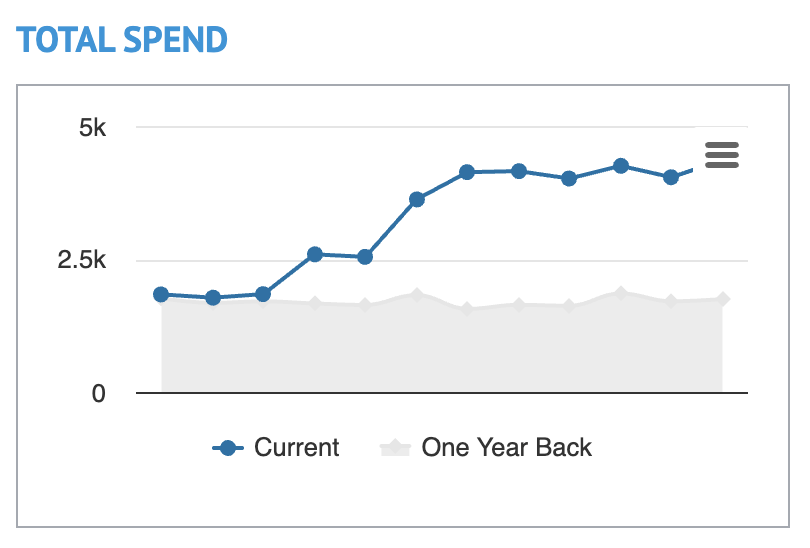
Unlike urgent billing spikes, structural rate inefficiencies:
• Compound quietly over multiple fiscal years
• Affect budget forecasting accuracy
• Influence capital planning decisions
• Impact long-term contract negotiations
Early identification strengthens negotiation position and protects budget integrity.

We dig deeper than any other firm, which makes us highly effective with the larger and complex customers. It takes more time, experience and effort, which is why most firms skip the deep-down audits. However, the results speak for themselves. Here is a sampling of those results.
A major hospital campus with $1MM+ annual electricity spend was operating under a tariff misaligned with its load profile. ATA worked with the utility to restructure the rate classification.
Result: ~9% annual electricity savings
Elevated water usage persisted for years and had been accepted as part of the normal operating budget. ATA’s analysis identified abnormal usage indicators that led to the discovery of a major leak beneath the wave pool.
Result: Utility adjustment and leak remediation
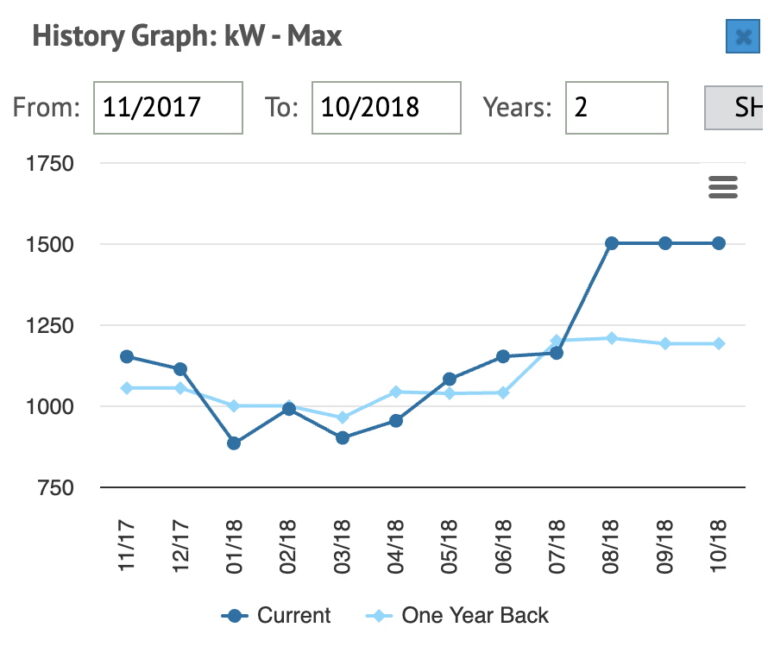
A 1M sq ft distribution facility operating under a real-time electricity pricing contract required specialized rate analysis.
Result: >4% improvement in electricity pricing
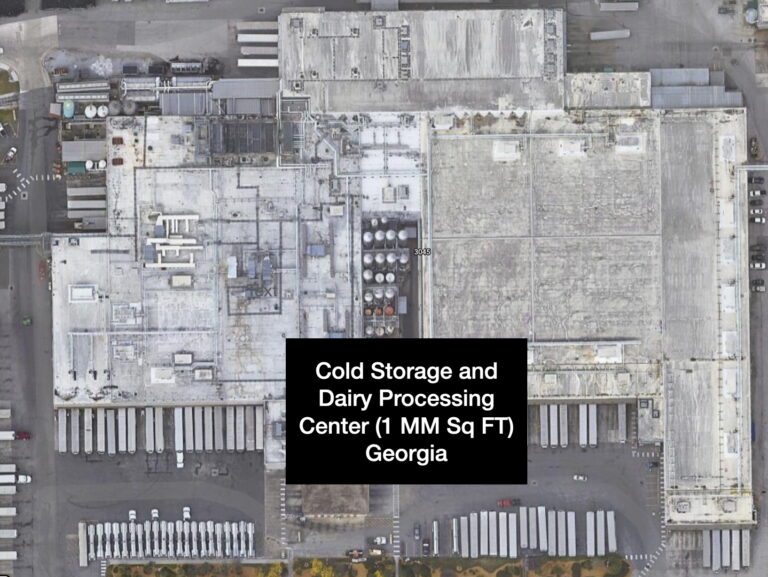
Effluent water charges were significantly elevated at a Florida dairy facility. ATA’s review uncovered an error in the billing process.
Result: $50,000+ billing adjustment and >20% forward savings
Utility consulting is most valuable for organizations with multiple facilities, complex operations, or high utility consumption. These commonly include hospitals, municipalities, universities, manufacturing facilities, retail portfolios, data centers, and large commercial properties. See our About page for representative engagements.
Complex utility environments often involve multiple meters, rate structures, billing determinants, and operational variables that require specialized analysis to manage effectively.
Traditional bill auditing typically focuses on reviewing invoices for clerical errors. Utility consulting takes a broader approach by evaluating rate structures, tariff options, operational factors, meter accuracy, utility billing setup errors and long-term oversight practices.
This deeper level of analysis often identifies opportunities that standard invoice reviews miss.
Initial findings and recommendations are typically delivered within 2 to 4 weeks after the required billing data and facility information are received.
For larger organizations with multiple facilities or complex rate structures, the review process may continue over several months as additional opportunities are identified and implemented.
Utility consulting engagements commonly uncover opportunities such as:
• Incorrect rate classifications
• Billing determinant errors
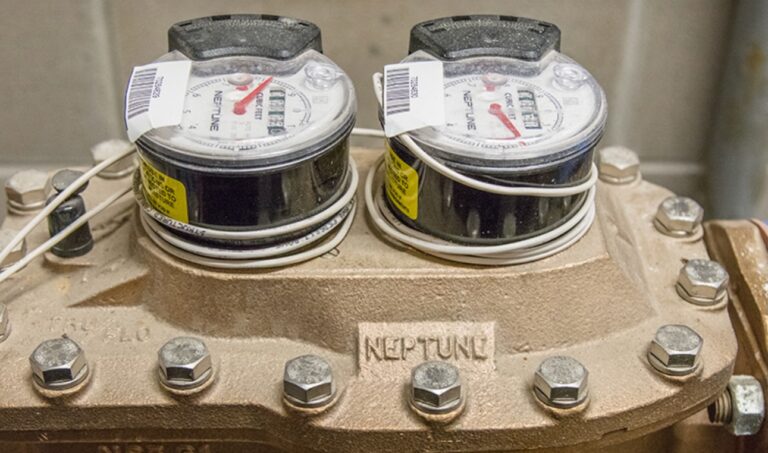
• Meter configuration issues
• Utility billing anomalies
• Tariff optimization opportunities
• Special contract or negotiated rate options
Many of these issues persist for years without specialized review.
Savings vary depending on facility complexity and existing oversight practices. However, organizations frequently identify overall utility cost improvements averaging 9% or more through a combination of billing corrections, rate optimization, and improved oversight processes.
For large campuses or multi-facility organizations, the financial impact can be substantial.
ATA offers performance-based consulting structures where fees are tied to verified financial improvements achieved through the engagement.
Tiered pricing structures are available for larger organizations and portfolio-wide reviews. This ensures pricing remains equitable while allowing larger clients to benefit from lower effective rates as engagement scope increases
Most engagements require access to the following:
• 12–24 months of utility billing history (login access to utility portal suffices)
• facility or building profiles
• meter and account information
• basic operational details related to major utility usage
Once this information is compiled, structured analysis can begin.
Yes. In many organizations, utility bills are reviewed internally for payment approval, but detailed rate and billing determinant analysis is rarely performed.
In addition, we have performed 3rd party utility bill audit and rate reviews for energy departments at Walmart, Kohls, Publix and Murphy Oil USA with great success. Utility rates and billing issues can be very complex on larger locations and highly specialized by state or region.
As a result, independent analysis often identifies billing errors, rate misalignment, or optimization opportunities that internal review processes may not detect.
No. Our services require ATA to help interpret findings, communicate with utilities, and implement refund negotiations or optimizations.
When it is time to review savings, we will sit down with the customer and explain the savings in details, so that there is a complete understanding of the savings.